Connecting equipment
This setup guide assumes you are only using a single air receiver. For instructions on using more than one air receiver, refer to using multiple air receivers.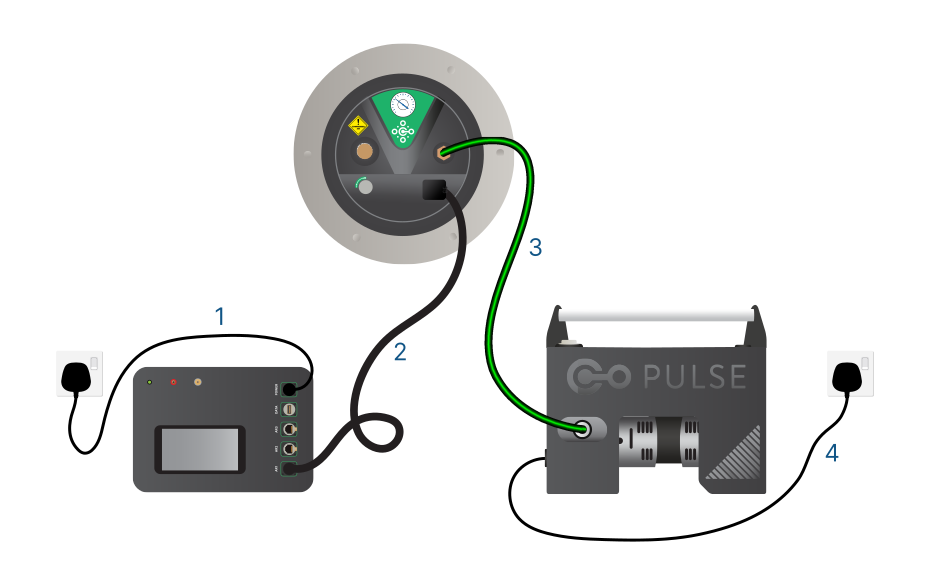
Connect your Pulse equipment as per this diagram using the cables numbers below
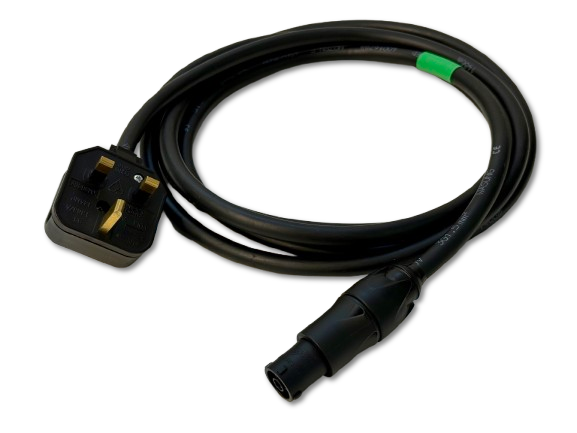
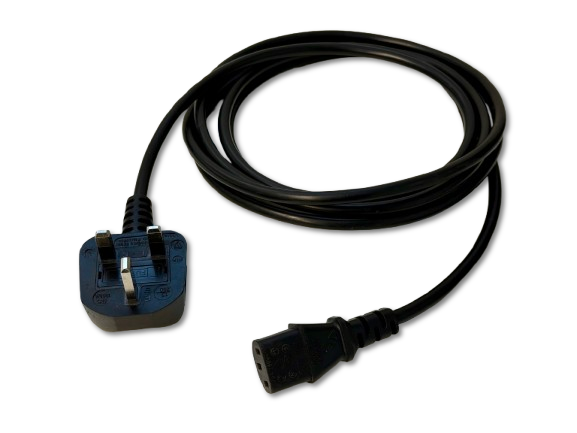
1. Controller power cord
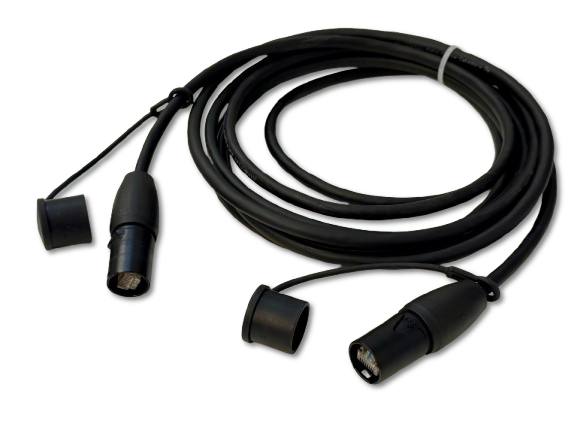
2. Air receiver interconnect cable
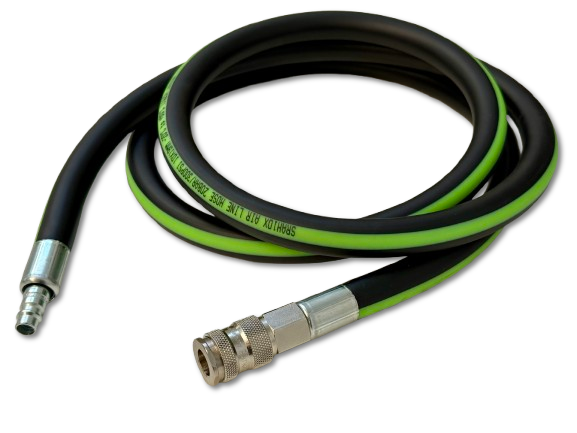
3. Compressor air hose
4. Compressor power cord
Position of air receivers
Whole building tests
For a two-storey building, position the equipment on the ground floor, approximately in the centre of the building. For buildings with more than two storeys, the equipment should be located on one of the middle floors.Room only tests
When testing an individual room only, all equipment must be positioned within the room itself, with adequate clearance from walls and furniture.Clearance around air receivers
The air receivers should be placed with at least 1 meter clearance around them, keeping away from walls and furniture. If multiple air receivers are being used, then they should be placed directly adjacent to one another. The system must have free airflow to the whole building or space being tested to allow for unhindered air dispersal and create an instantaneous pressure difference across the entire space.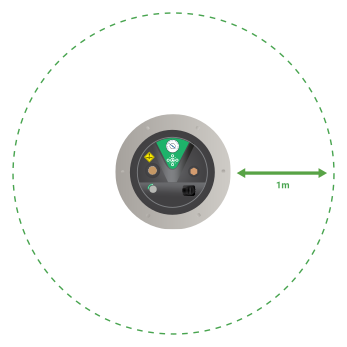
Location of controller
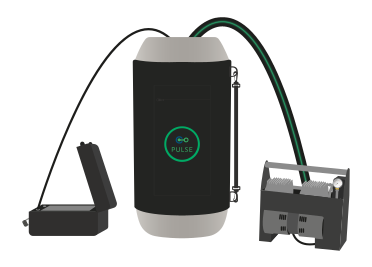
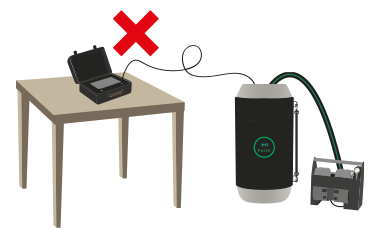
The controller should be placed on the ground at least 3 metres away from the air receiver, with the lid open and facing the air receiver to act as a shield. Where the cable length allows it, the controller can also be positioned around a corner or behind objects to ensure the best results.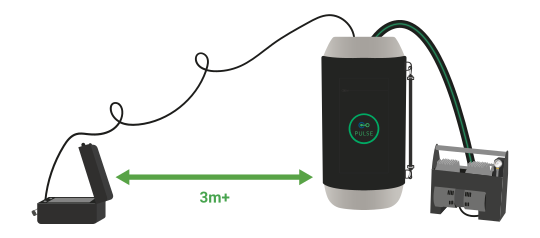 Alternatively, the controller can be placed directly at the base of the air receiver with the lid open between the air receiver and controller.